Details for A436488
False






Report
Report Current Image
- report the current image for inappropriate content
Your link has been copied!
Animal information
A436488
Name: Horis
Located At: Denver Animal Shelter
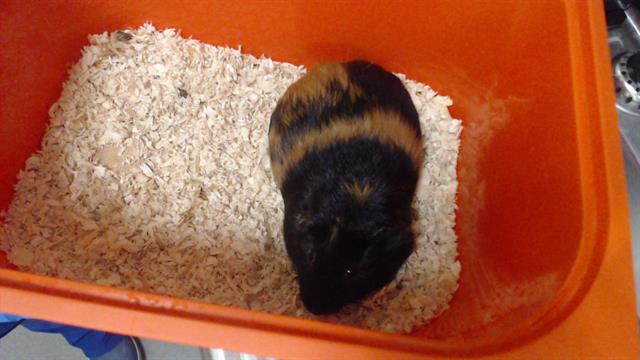
Description:  I am a male, black and brown Guinea Pig
I am a male, black and brown Guinea Pig
Age: The shelter staff think I am about 1 year old.
About Me:
The shelter says I weigh 2.48 lbs.
I have been at the shelter since Aug 14, 2026.
Size: 1.5-2.5 pounds, up to 16" long
Life expectancy: 5-7 years
Group or solo: Guinea pigs are social animals who do well being housed together and can easily live in groups up to 5. They should be kept in same-sex pairs. Pigs already living successfully together should be kept together.
Diet: Grass or timothy hay and fresh, clean water should always be available. 1/8 cup of timothy hay based pellet foot daily. A handful of fresh, leafy vegetables (kale, romaine, bell peppers, and spinach) should be provided with limited amounts of fruit/treats. Pigs cannot manufacture vitamin C, so make sure you provide this nutrient in foods such as bell peppers.
Avoid: Pellets made with nuts, seeds, dried fruit, or corn. Avoid iceberg lettuce, potatoes, cabbage, onions, mushrooms, and broccoli.
Habitat/Housing: A single guinea pig should have 7-10 square feet of space in their enclosure, with each additional guinea pig sharing the same space requiring an additional 2 square feet. "C&C" (cube and coroplast) are popular cage types and can be DIY'd or purchased. If multiple levels are given in their enclosure ramps must not be steep. The floor of their cage should be solid, wire mesh can injure paws. Guinea pig cages should be kept inside the home away from drafts. Wood shavings of any kind should be avoided. Paper-based bedding or fleece are appropriate. Their enclosure should be spot cleaned daily and everything completely removed and scrubbed down weekly. Their cage should have a hiding space and guinea pig approved toys and enrichment. Since their teeth constantly grow, they do need access to chew toys.
Handling and Care: When picked up, do so gently and with both hands, holding them close to your body and supporting the entire length of their body. Guinea pigs can be taken out of their cages daily for floor time, but must be supervised. Guinea pigs should be brought a small mammal/exotics veterinarian yearly for an annual check-up or if you see any of the following medical concerns; sneezing, crusty eyes, dirty ears, diarrhea, dental issues, hair loss, weight loss, change in behavior and bloody or gritty urine.
More information on guinea pigs:
https://www.guineapigcagesstore.com/
https://www.cavyspirit.com/care.htm
https://jackiesguineapiggies.com/guineapigbehaviour.html
https://www.whitmanpets.org/uploads/1/3/4/4/134454738/guinea_pig_care_guide.pdf
The shelter says I weigh 2.48 lbs.
I have been at the shelter since Aug 14, 2026.
Size: 1.5-2.5 pounds, up to 16" long
Life expectancy: 5-7 years
Group or solo: Guinea pigs are social animals who do well being housed together and can easily live in groups up to 5. They should be kept in same-sex pairs. Pigs already living successfully together should be kept together.
Diet: Grass or timothy hay and fresh, clean water should always be available. 1/8 cup of timothy hay based pellet foot daily. A handful of fresh, leafy vegetables (kale, romaine, bell peppers, and spinach) should be provided with limited amounts of fruit/treats. Pigs cannot manufacture vitamin C, so make sure you provide this nutrient in foods such as bell peppers.
Avoid: Pellets made with nuts, seeds, dried fruit, or corn. Avoid iceberg lettuce, potatoes, cabbage, onions, mushrooms, and broccoli.
Habitat/Housing: A single guinea pig should have 7-10 square feet of space in their enclosure, with each additional guinea pig sharing the same space requiring an additional 2 square feet. "C&C" (cube and coroplast) are popular cage types and can be DIY'd or purchased. If multiple levels are given in their enclosure ramps must not be steep. The floor of their cage should be solid, wire mesh can injure paws. Guinea pig cages should be kept inside the home away from drafts. Wood shavings of any kind should be avoided. Paper-based bedding or fleece are appropriate. Their enclosure should be spot cleaned daily and everything completely removed and scrubbed down weekly. Their cage should have a hiding space and guinea pig approved toys and enrichment. Since their teeth constantly grow, they do need access to chew toys.
Handling and Care: When picked up, do so gently and with both hands, holding them close to your body and supporting the entire length of their body. Guinea pigs can be taken out of their cages daily for floor time, but must be supervised. Guinea pigs should be brought a small mammal/exotics veterinarian yearly for an annual check-up or if you see any of the following medical concerns; sneezing, crusty eyes, dirty ears, diarrhea, dental issues, hair loss, weight loss, change in behavior and bloody or gritty urine.
More information on guinea pigs:
https://www.guineapigcagesstore.com/
https://www.cavyspirit.com/care.htm
https://jackiesguineapiggies.com/guineapigbehaviour.html
https://www.whitmanpets.org/uploads/1/3/4/4/134454738/guinea_pig_care_guide.pdf
More Info: The shelter's adoption package includes the spay or neuter cost, vaccinations, microchip, and a one-year Denver pet license.
This information is updated hourly.
For more information about this animal or other adoptable pets, please visit Denver Animal Shelter.
Help the Denver Animal Shelter find a new loving home for me and more animals like me. Click here to donate.
This information is updated hourly.
For more information about this animal or other adoptable pets, please visit Denver Animal Shelter.
Help the Denver Animal Shelter find a new loving home for me and more animals like me. Click here to donate.
Shelter information
Location: Denver Animal Shelter
Address: 1241 W Bayaud Ave
Denver, CO 80223
Denver, CO 80223